Wood & Moisture
Wood naturally absorbs and releases moisture as its surroundings change. This is why it can swell or shrink with changes in humidity.


Material knowledge
Thermal modification uses controlled heat and steam to change the way wood responds to moisture, while preserving its natural character.
Request a Quote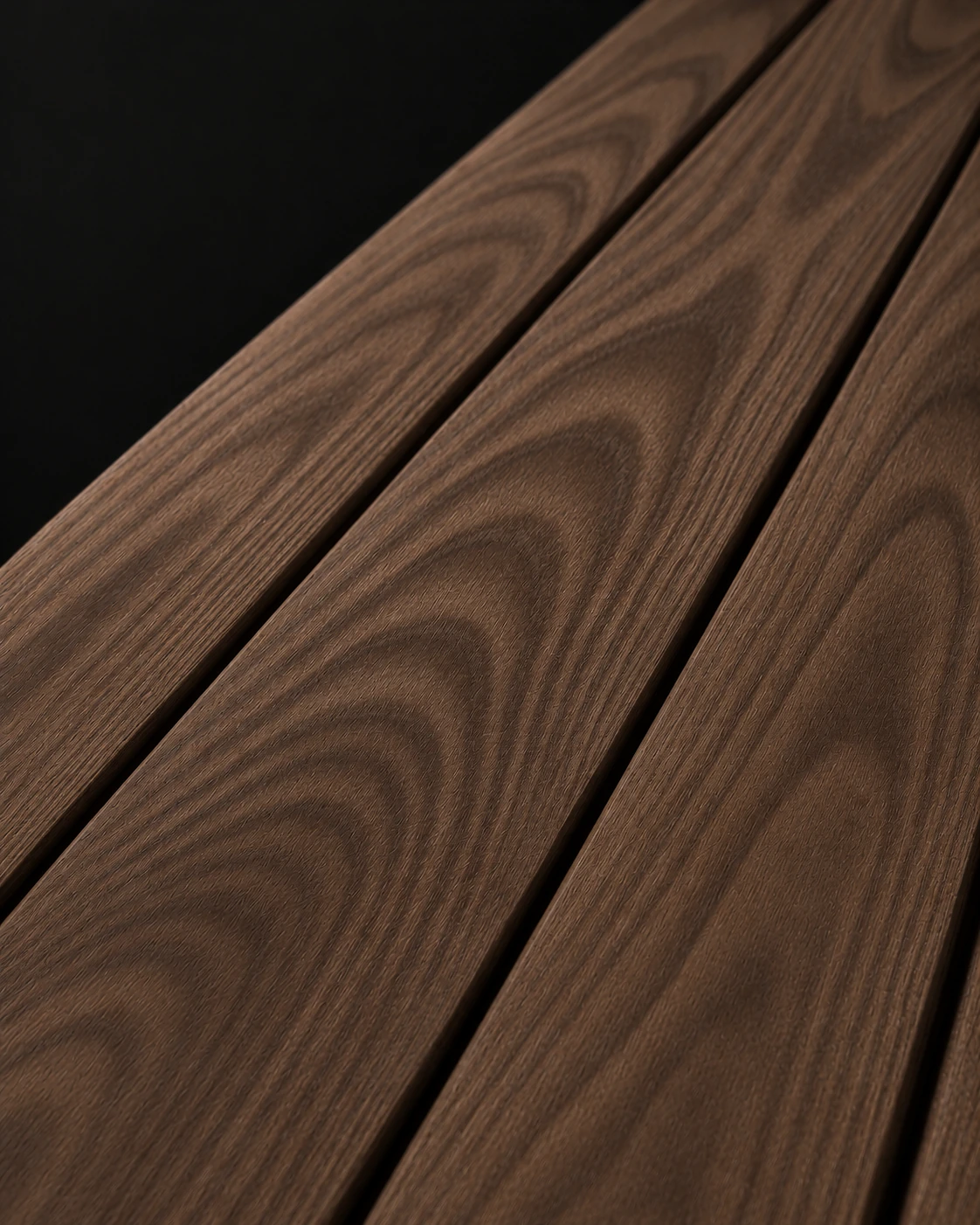
Thermal modification takes place in purpose-built heating chambers. Sensors and computer controls monitor the treatment conditions, while trained operators oversee the process. Careful control helps keep each stage aligned with the intended treatment.
Different wood species require different treatment schedules. Heating, drying and conditioning are adjusted to suit the material and its intended application, rather than following one universal recipe.
The first stage reduces the moisture within the timber. Controlled drying prepares the wood for the higher temperatures used during modification. The duration and target moisture level depend on the species and treatment schedule.
Once the wood is prepared, the chamber reaches the temperature required for modification. Controlled heat changes components within the wood, reducing its tendency to take up moisture. The treatment conditions influence the resulting material characteristics.
After the high-temperature stage, the timber is cooled and conditioned with steam. This brings moisture back to the intended final range. Exact moisture targets should be confirmed in the documentation for the selected product.
The modification process relies on heat and steam rather than added preservative chemicals. This describes the thermal treatment itself; any later finish, coating or adhesive should be considered separately.
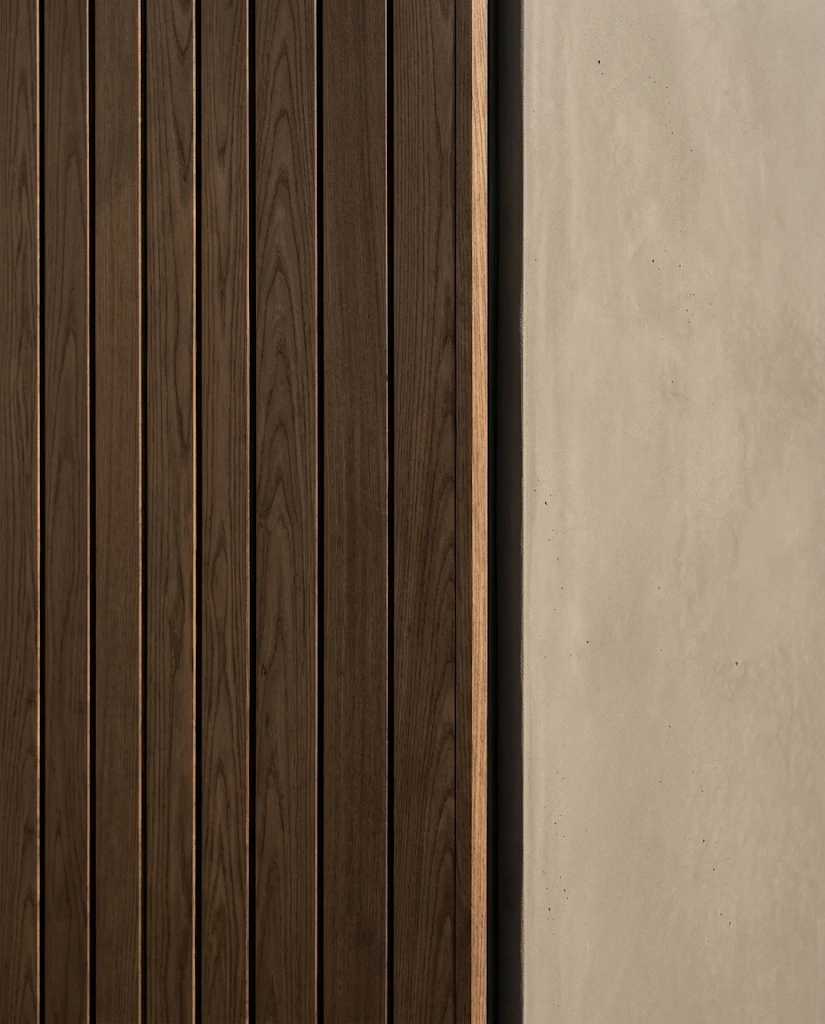
A CLOSER LOOK
Grain and surface texture remain part of the material story. Review a physical sample for your chosen species and finish.
Discuss Your ProjectUNDERSTANDING THE MATERIAL
A simple look at wood, moisture and thermal modification.
Wood naturally absorbs and releases moisture as its surroundings change. This is why it can swell or shrink with changes in humidity.
Drying reduces the moisture already in the wood. Once dried, the wood still responds to humidity in the surrounding air.
Controlled heat changes the wood’s structure, reducing its tendency to absorb moisture. This can improve dimensional stability.
Results depend on the species and treatment. Good detailing, drainage and care remain essential.
Thermal modification uses heat and steam rather than added preservative chemicals. Any later coating, adhesive or installation accessory should be assessed separately.
Do not assume architectural boards are load-bearing members. Structural use requires the appropriate product documentation and project design.
Ask for the technical documentation relevant to your species, profile and intended use, including available treatment and moisture information. Any certification, independent audit or performance statement should be checked against the specific product and its supporting records.
YOUR VISION. OUR NEXT CONVERSATION.